phone speaker watts: Watts and Decibels Across Different Models
In a world where we rely on our devices for everything from music to podcasts, understanding phone speaker watts is more crucial than ever.
Somehow we will break down how watts and decibels differ across various models, giving you insight into what to look for in your next phone. By the end, you’ll have all the knowledge you need to choose a device that meets your audio expectations.
How Many Watts Is a Phone Speaker?
When exploring the world of mobile speakers, it’s important to understand that wattage isn’t the only factor determining sound quality. A phone speaker watts usually has a power output of 1 to 3 watts.
Most smartphone speakers hover around 0.5 to 1 watt, which may not seem powerful at first glance, but consider how mobile speakers are engineered. Their compact design and specialized drivers are tailored to deliver a surprising amount of clarity and depth, even at lower wattages.
How About Decibels?
When discussing decibels, it’s fascinating to recognize their role in everyday technology, especially in our trusty phone speakers. A phone speaker typically operates between 70 to 85 decibels, which is loud enough for most casual listening experiences but can vary based on the device and brand.
Understanding decibels in this context helps us realize the balance between enjoying music, podcasts, or videos without risking our hearing health.
Main Reasons Why Phone Speakers Are So Loud
One of the primary reasons why mobile speakers can generate impressive sound levels is due to their wattage. Mobile speaker watt ratings indicate their power output; higher watts generally mean louder sound.
Manufacturers often prioritize wattage to ensure that users can enjoy music, videos, and calls in various environments, even in noisy surroundings. For instance, a speaker with 5 watts might not seem significant, but it’s usually enough for casual listening in a room.
1. The Phone Cuts Off Most Low Frequencies Below a Specific Limit.
Most smartphones inherently cut off low frequencies below a specific threshold, minimizing the strain on the speaker system. This design choice reflects a balance between efficient power usage and sound quality, ensuring that the phone speaker wattage remains suitable for everyday listening.
For instance, while an iPhone may deliver robust sound at higher decibels, it often sacrifices deeper bass frequencies, compared to dedicated audio devices.
2. Phone Speakers are Actually Very Quiet Compared to Proper Speakers.
When discussing sound quality, the disparity between phone speakers and proper speakers becomes strikingly evident. Most smartphone speakers operate within a wattage range of just 0.5 to 1 watt, delivering sound at a volume level typically capped around 80-100 decibels.
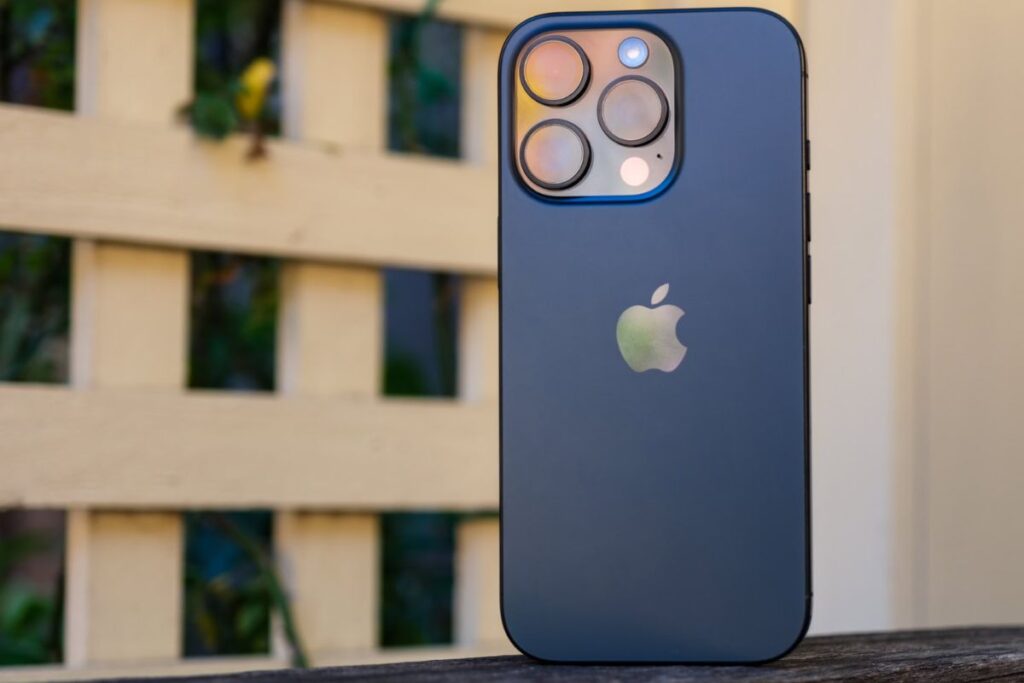
In contrast, dedicated speakers can easily push upwards of 10 to 100 watts, producing a richer and more powerful audio experience. This stark difference in phone speaker decibels highlights why many users find smartphone audio lacking especially in bass response and overall clarity.
3. The Most Considerable Help Phone Speakers Get is DSP (Digital Signal Processors).
DSP, or Digital Signal Processors, fundamentally enhance the phone sound quality by intelligently manipulating audio signals to produce clearer, more dynamic sounds.
With mobile speaker output often constrained by size, DSP technology bridges the gap by optimizing frequency response and minimizing distortion. For instance, while an iPhone might boast impressive speaker wattage, it’s the DSP that ensures sound remains crisp even at higher volumes.
4. The Amplifier also Matters.
When considering the sound quality of your smartphone, the amplifier plays a crucial yet often overlooked role. Many users fixate on phone speaker wattage or decibel levels, but the amplifier’s quality can significantly impact how those specifications translate into real-world audio experiences.
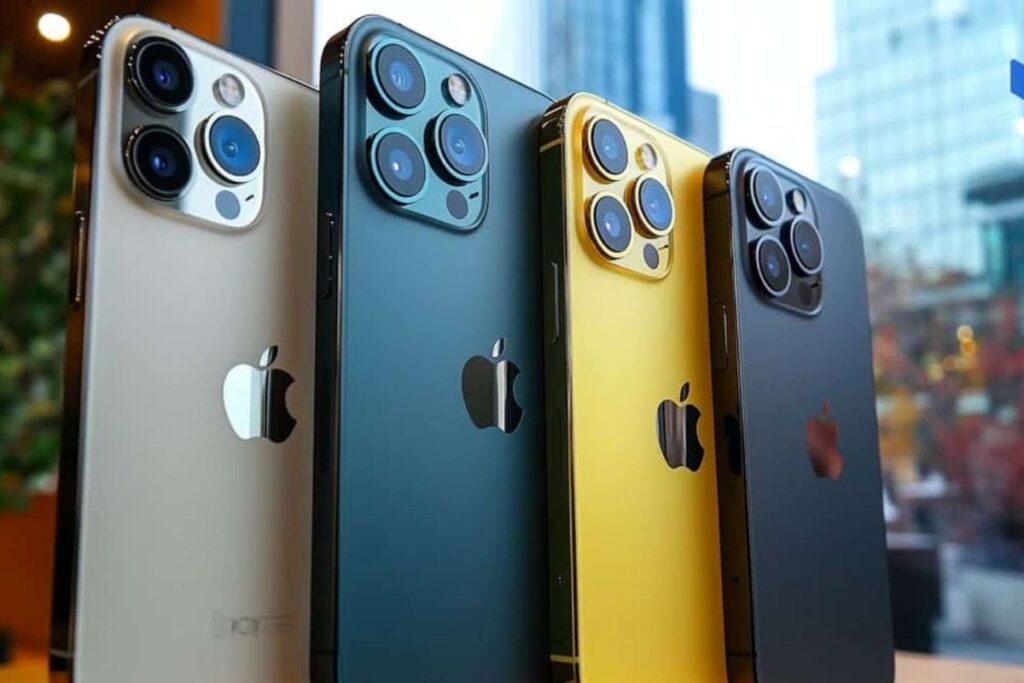
High wattage or impressive decibel ratings mean little if the amplifier isn’t capable of delivering that power efficiently. As a result, a smartphone with lower specs can sometimes outperform competitors with supposedly superior numbers, thanks to a well-engineered amplifier.
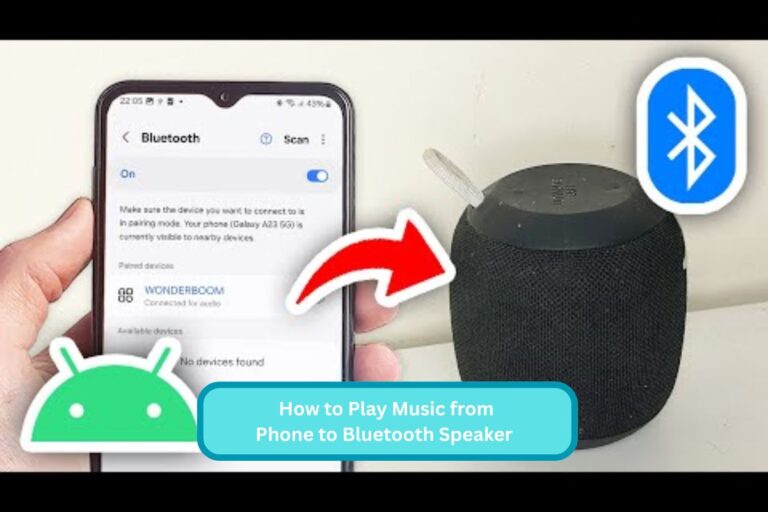
You can also read: How to Play Music from Phone to Bluetooth Speaker: Easy Streaming Guide
5. They often use an Acoustic ‘Trick.
Acoustic tricks are the secret sauce that can dramatically elevate smartphone sound output, transforming a basic audio experience into something extraordinary. When conducting a phone speaker sound test, you might notice that certain models seem to project sound more effectively.
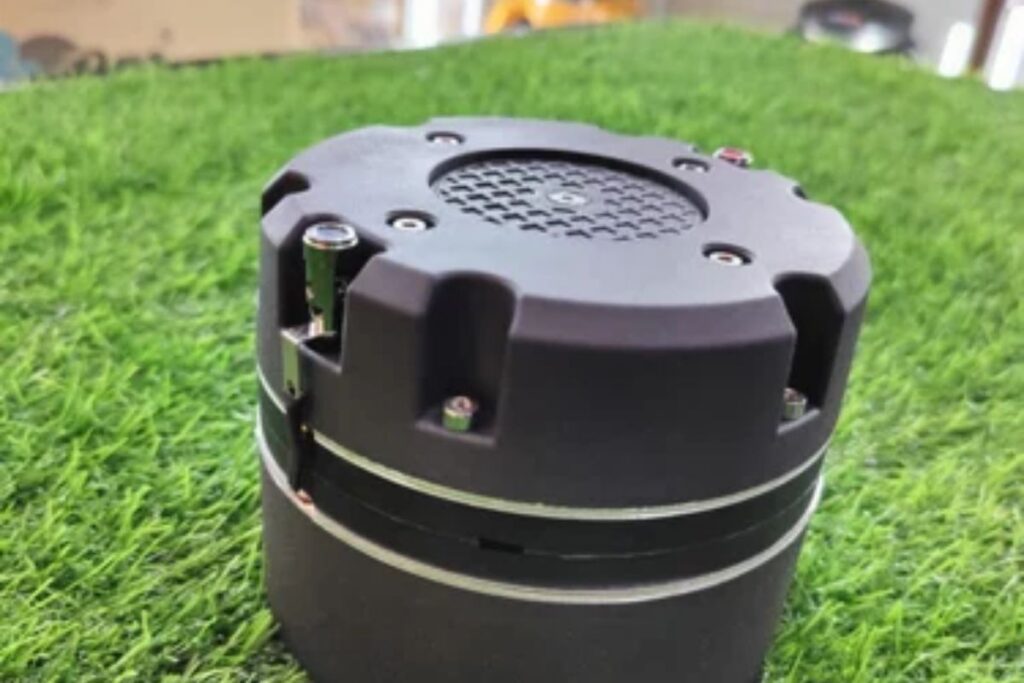
This isn’t just about raw wattage; it’s often about innovative engineering. Brands are now utilizing smart design elements, like resonance chambers and advanced speaker placements, allowing even smaller phones to compete with high watt mobile speakers.
Drivers in Phone Speakers vs. Regular
When it comes to smartphone sound output, drivers have a crucial role in defining the listening experience. Unlike traditional speakers, which often utilize larger drivers to enhance bass and clarity, phone speakers rely on miniature versions that aim to balance efficiency with sound fidelity.
In a phone speaker sound test, you might find that while lower wattage can limit volume capability, advancements in technology enable even compact drivers to deliver surprisingly rich audio.
You can also read, How to Turn On Lock Sound on iPhone: Bring Back That Classic Click
Conclusion
Understanding the relationship between watts and decibels in phone speakers watts can help you make informed decisions when choosing a device that fits your audio needs. While higher watts may suggest more powerful sound, it’s essential to consider the quality of decibels and how they translate to actual listening experiences.
Each phone model approaches sound output a little differently, so it’s wise to check reviews or test them in person if possible. Remember, it’s not just about how loud a phone can get, but also how clear and rich the sound is. So next time you’re on the hunt for a new phone, pay attention to the specs and ensure your listening experience is a delight.
FAQs
How Many Watts is a Normal Phone Speaker?
A typical phone speaker ranges from about 0.5 to 2 watts in power output. Most smartphones use speakers that are designed for efficiency rather than high volume, balancing sound quality with battery conservation.
What’s Better, a 1000 Watt or 300W Speaker?
A 1000 watt speaker will generally produce much louder sound and handle more power than a 300W speaker, making it better for larger spaces or events. If you’re looking for high volume and clarity in bigger venues, the 1000W option is likely the way to go.
Is a 20W Speaker Loud?
A 20W speaker can be quite loud for casual listening, especially in smaller spaces like a bedroom or office. It’s typically enough to fill a room with sound, making it suitable for everyday use, like watching movies or listening to music.
Is a 1000 Watt Speaker Loud?
A 1000 watt speaker is very loud and can reach concert level volume. It’s ideal for large events but far more powerful than needed for home use.